
For CDOs, CIOs and analytics leaders
Data and integrations
for analytics and AI
We design data and integration architecture for enterprise analytics and AI. We help develop DWHs, choose storage and processing approaches, improve data quality and organise access from business systems.
Scope of workProject scope
- ArchitectureDWH, Data Lake and Lakehouse for your company's needs
- ReliabilityQuality, provenance and shared definitions
- IntegrationsSystems, analytics and AI in a shared data environment
Business challenges
When data exists but is difficult to rely on
We treat data as a corporate asset, with an owner, quality requirements and a clear way to use it.
Discuss an assessmentMetrics differ between systems
Reports are assembled manually, calculations are duplicated, and the business struggles to identify trusted sources and metric owners.
The warehouse no longer meets your needs
Loading and reporting take longer, while new sources and data freshness requirements emerge.
AI projects are held back by data preparation
Documents and reference data are inconsistent, permissions do not carry over to AI services, and data quality and updates are uncontrolled.
Architectural approach
From source to data-driven decisions
We design the entire data journey, including ownership, quality control and access rights. Platform selection follows company tasks and constraints.
The layers are interconnected.
We align decisions within the overall architecture.
Sources and exchange
We identify source systems, extraction methods and agreements on data structure and freshness.
- ERP / CRM / files
- APIs / CDC / events
- Input validation
Key decisions
- Batch and streaming ingestion, with CDC where required
- Data contracts, schema versions, error handling and redelivery
- Volumes, source restrictions and acceptable load on production systems
An integration map and flow specifications with update requirements.
Storage and transformation
We choose storage and transformation architecture based on data structure, workload and analytics requirements.
- Raw layer
- Cleaning and modelling
- Data marts
Key decisions
- Separation of raw, prepared and application layers
- ETL/ELT, orchestration, change history and reprocessing
- Data models and marts with agreed business definitions
A target warehouse model and data pipeline design rules.
Governance and quality
We define data responsibilities and the rules that establish whether consumers can rely on data.
- Data owner
- Rules and checks
- Catalogue and lineage
Key decisions
- Business glossary, reference data and master data
- Completeness, accuracy, consistency and freshness checks
- Catalogue, data provenance, classification and access
A Data Governance model, critical data catalogue and quality rules.
Analytics and AI
We prepare data for specific consumers and define conditions for safe, reproducible use.
- Trusted data
- BI / ML / RAG
- Business process
Key decisions
- A semantic layer and shared BI metrics
- ML datasets and checks separating training and evaluation data
- Corporate knowledge for RAG: versions, metadata, permissions and updates
Data product specifications and analytics and AI readiness criteria.
Let's discuss your architecture
We will review the current situation, constraints and target use cases.
Scope of work
From technical decisions
to a working system
We design new platforms and develop existing environments, accounting for the current stack, team skills, data consumers and migration constraints.
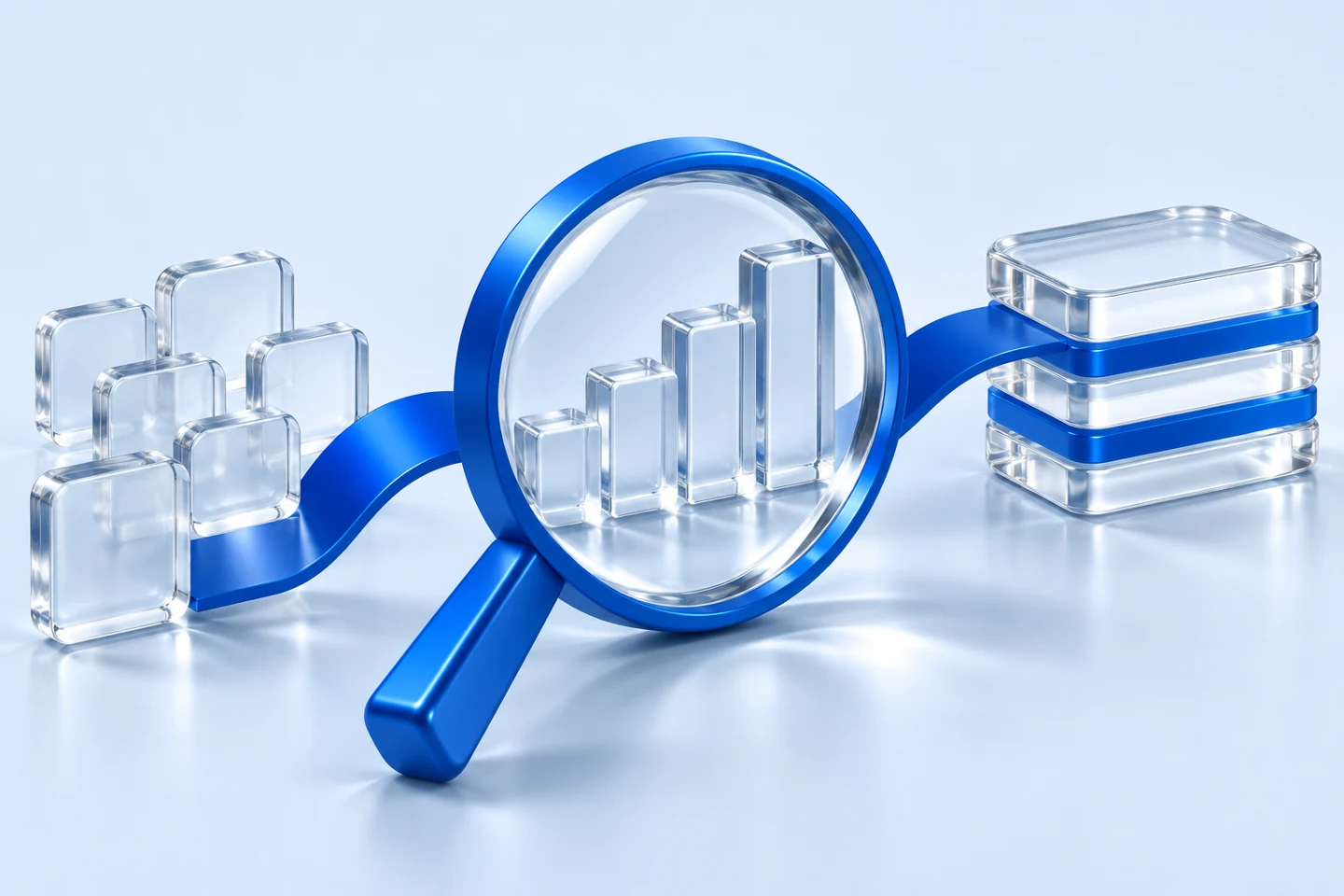
Data and integration audit
We identify constraints that hinder analytics, reporting and AI projects.
- An inventory of sources, warehouses, marts, interfaces and data consumers.
- Profiling priority datasets for missing values, duplicates, inconsistencies and update delays.
- A map of dependencies, manual operations, owners and current architecture risks.
Stage outcome
An assessment report, flow map and prioritised improvements.
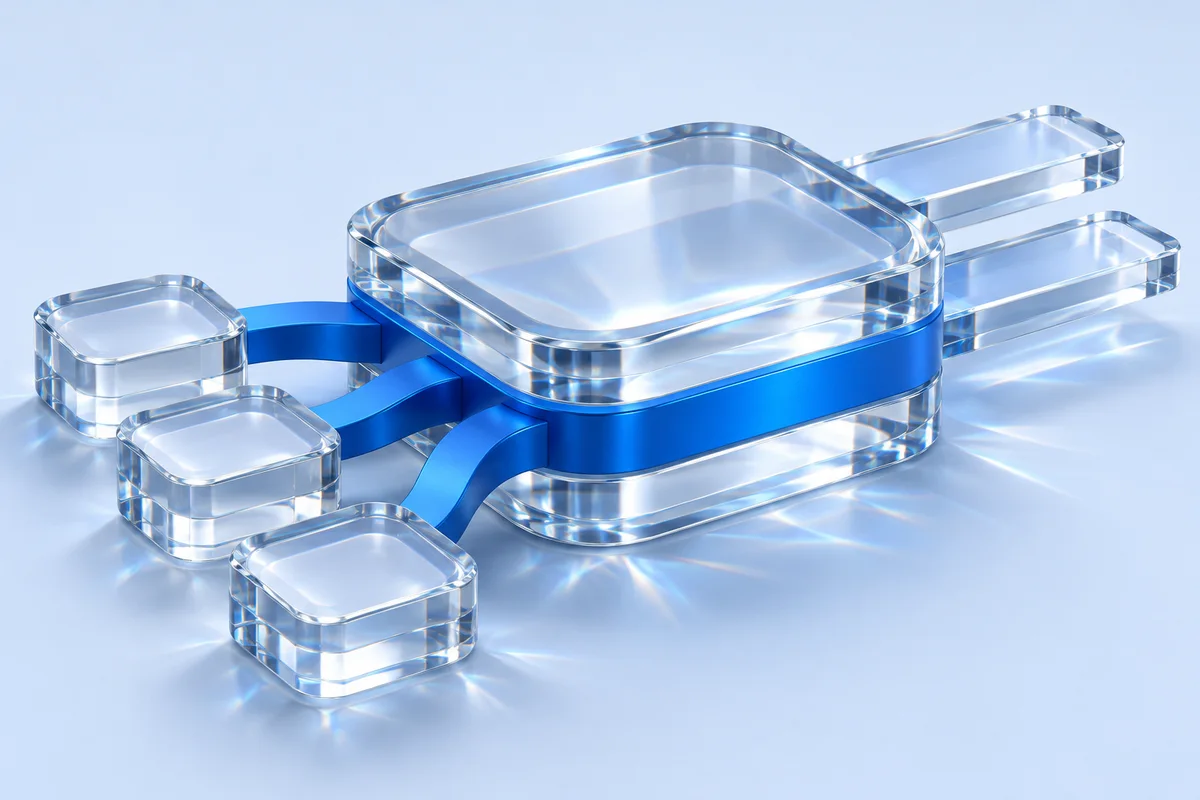
DWH and data platform architecture
We define the target approach to data storage, processing and delivery.
- Comparing DWH, Data Lake and Lakehouse against BI, ML, document and streaming needs.
- Designing layers, data models, marts, history and retention policies.
- Selecting technology components based on volume, workload, hosting, cost and support.
Stage outcome
Target architecture, a data model and justification for component selection.

Data pipelines and integrations
We design reliable data delivery and transformation between systems.
- ETL/ELT, batch and streaming processing, CDC and API exchange where needed.
- Contracts, schema versions, idempotency, retries and problematic message handling.
- Orchestration, latency control, logging and ingestion recovery.
Stage outcome
Integration specifications, pipeline designs and operational requirements.
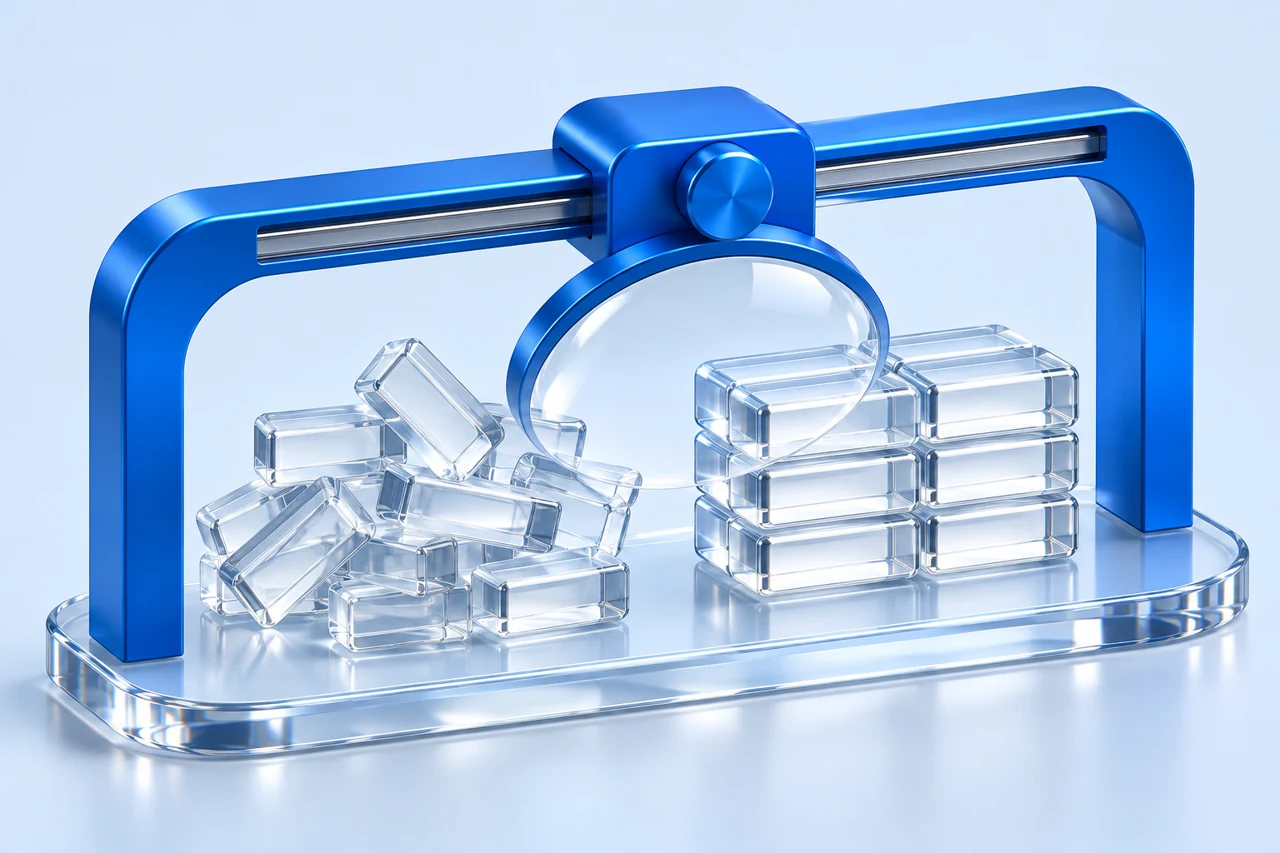
Data Governance and quality
We assign data ownership and usage rules.
- Owner and data steward roles, a business glossary and agreed key metrics.
- Quality rules, thresholds, deviation monitoring and defect resolution procedures.
- Catalogue and lineage, master data management, classification and an access matrix.
Stage outcome
A data governance model, rule register and quality control process.
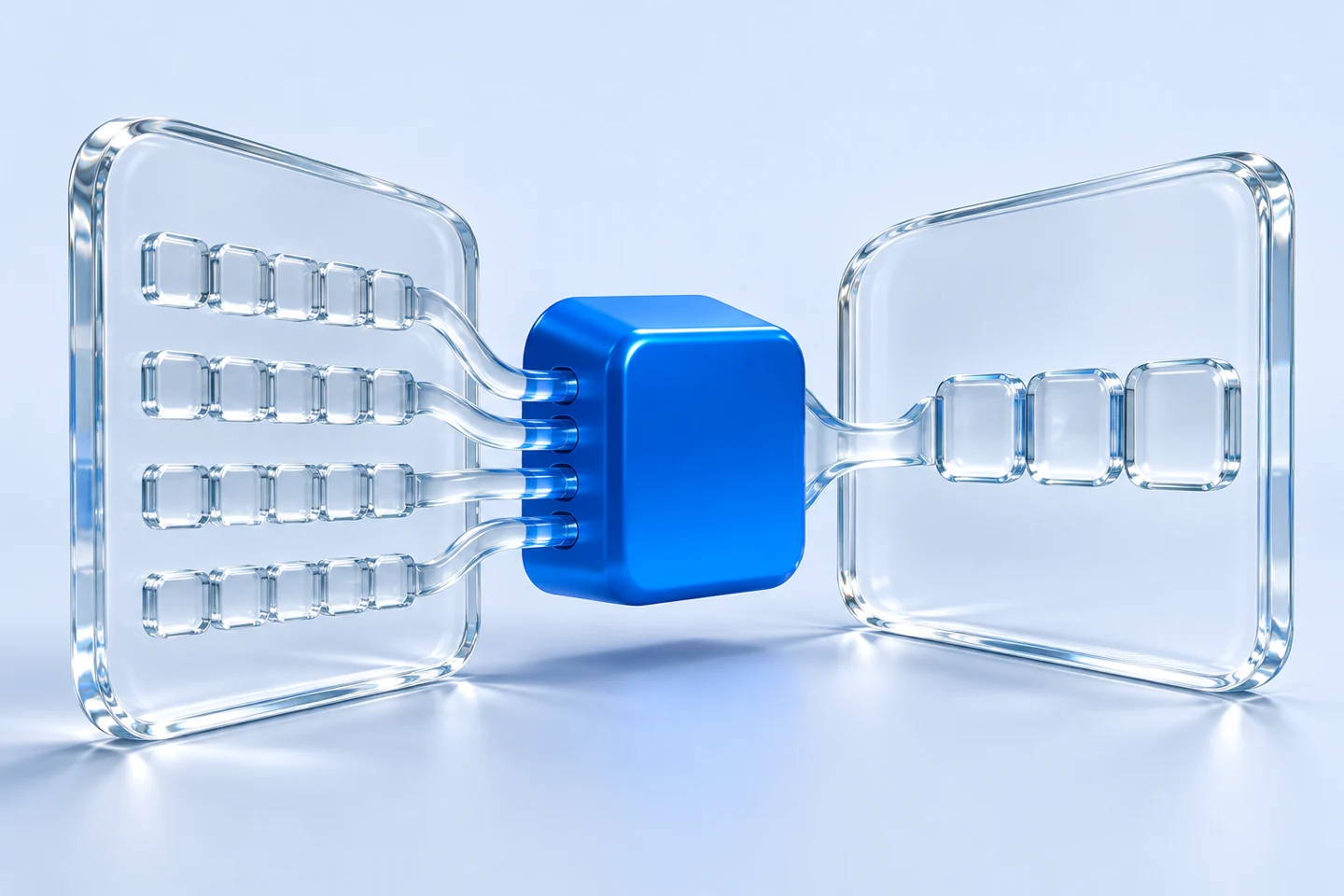
Preparing data for AI
We assess data readiness for a specific scenario and define update requirements.
- Preparing documents and metadata for RAG, extracting structure, chunking and indexing.
- Transferring access permissions, updating indexes and removing revoked or outdated data.
- Preparing evaluation and ML datasets, checking representativeness, labelling and leakage risks between datasets.
Stage outcome
Requirements for AI datasets, knowledge pipelines and quality validation.
Migration and change rollout
We plan transitions to preserve existing system continuity.
- Migration sequence by domain and dependency, historical loading and result reconciliation.
- Parallel operation, cutover criteria, verification checks and a rollback plan.
- Implementing a pilot flow within the agreed scope, documentation and team handover.
Stage outcome
A roadmap, migration plan and acceptance test package.
Agree on the project scope
We will define the work required, participants and success criteria.
Consulting deliverables
Documents for decisions
and implementation
We agree on the documentation package at the start. The materials must support agreement with business, IT and security stakeholders and the engineering team's subsequent work.
Data and flow map
Sources, consumers, owners, dependencies and problem areas.
Platform architecture
Warehouses, layers, processing, marts and hosting decisions.
Models and contracts
Structures, business definitions, APIs and exchange rules.
Quality rules
Metrics, thresholds, owners and defect resolution procedures.
Governance model
Roles, catalogue, provenance, access and data lifecycle.
Implementation plan
Priorities, migration, resource estimates and acceptance criteria.
Project organisation
We work together
with your team
At each stage, we agree on decisions and next actions. Timelines depend on scope, availability of source data and the depth of technical checks.
- 01
Select a priority domain
We agree consumers, business metrics and datasets, then identify owners and the available assessment scope.
- 02
Conduct the assessment
We examine sources, flows, models and quality, documenting causes of discrepancies, constraints and dependencies.
- 03
Design changes
We prepare architecture, contracts, quality rules and a migration plan. Decisions are agreed with IT, business and information security.
- 04
Validate and hand over
We validate the approach on an agreed pilot flow and deliver documents, reconciliation results and a scaling plan.
What is needed
to get started
- List of systems, sources and warehouses
- Example reports and key metrics
- Volumes, update frequency and quality issues
- Data owners and access requirements
Migration, pipeline development and production implementation are estimated within the agreed scope. Platform recommendations consider the current stack and company requirements; replacing every system is not assumed.
Before the project starts
Questions and answers
Do you consult on DWH itself, beyond data for AI?
Yes. We cover the corporate warehouse, data models, marts, ETL/ELT, reporting and quality. AI is one data consumer alongside BI and business applications.
Do we need to replace our DWH with a Lakehouse?
Not necessarily. We compare options by tasks, data structure, workload, cost and team skills. The outcome may be development of the existing DWH, a separate environment for new tasks or phased modernisation.
Can we begin with one system or business function?
Yes. We select a priority domain or flow, define consumers and outcome criteria, and check dependencies so local changes do not create conflicts in the overall architecture.
How can reporting continue during migration?
We plan a phased transition, historical loading and reconciliation, parallel operation, control metrics and rollback. Cutover conditions are agreed with system owners and reporting consumers.
Do you implement integrations after consulting?
Yes, as a separate stage with a defined scope. We document sources, interfaces, quality and freshness requirements, testing and support handover.
Next step
Define the data architecture for your next growth stage
We will review the current environment, business needs and constraints, then agree the starting domain or flow and the assessment's required outcomes.